







Search Results for: Florals coffee beans
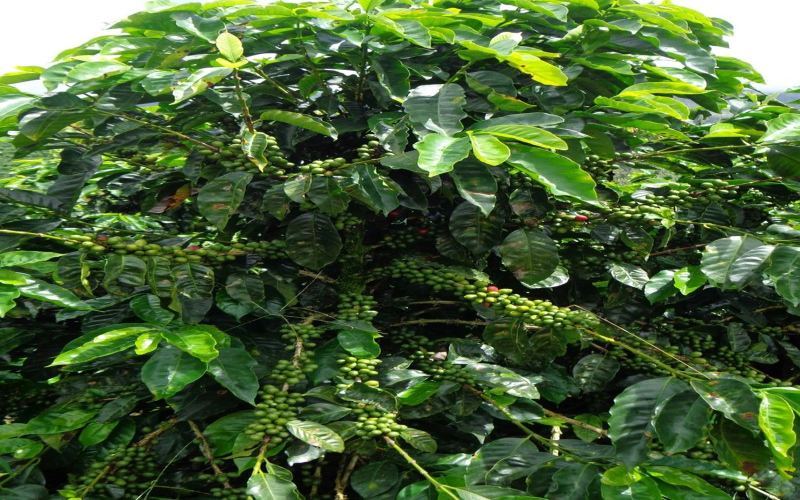
Floral Aromas from Bright to Mellow: How to Read Coffee Roast Levels
Floral coffee is not just one flavor. Light roasts more easily preserve notes of white flowers, orange blossom, jasmine, and tea; medium roasts bring florals together with caramel sweetness; and dark roasts usually push the florals into the background and shift toward cocoa, nuts, and roasted aromas. To choose a cup that suits your taste, you can first look at the roast level, then judge [more…]
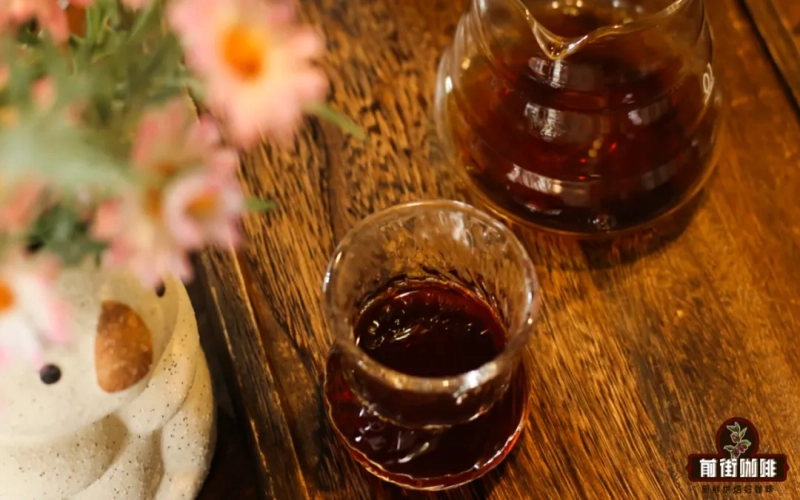
How to Make Coffee Floral Notes More Prominent? Yirgacheffe Gotingding Variable Temperature Brewing Method and Geisha Flavor Analysis
Floral notes are one of the most captivating flavors in coffee, and many people fall head over heels into the rabbit hole precisely because they tasted florals in a cup. But consistently brewing clear floral notes at home is no easy task: you need to choose the right floral beans, and you also need a brewing strategy that keeps the florals from being masked or fading too early. From the perspective of Front Street, this article first explains where floral notes come from, covering factors such as variety, altitude, processing, and roasting; then, drawing on the approach of 2022 WBrC champion Sherry, it shares a three-pour, variable-temperature brewing scheme, and uses Yirgacheffe·Gedeb as an example to give reproducible parameters and step-by-step instructions. [more…]
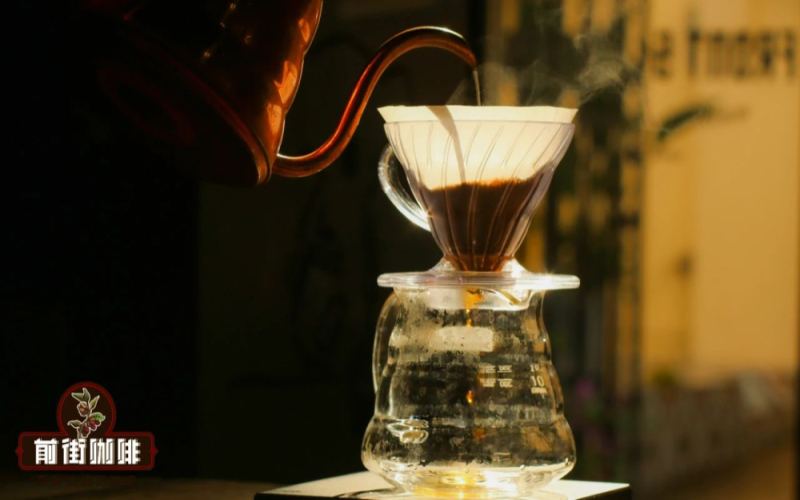
Specialty Coffee Floral Tasting Guide: Aroma Selection and Sniffing Techniques for Light-Roast Beans
The charm of coffee goes far beyond waking you up—what truly fascinates is the details hidden in every wisp of aroma. The floral flavors of specialty coffee are the first key that opens the door to the world of flavor for many enthusiasts. This article starts with the origins of floral aromas and introduces several Front Street Coffee beans known for their floral notes, including Yirgacheffe Gutingding, Natural Huakui, and Boquete Geisha, analyzing their respective aroma characteristics and suitable brewing methods one by one. At the same time, we will also share a complete aroma-sensing method that goes from dry fragrance, wet aroma, to finish and sipping, helping you more clearly capture those light, sweet floral layers in your daily brewing, and truly understand the "floral code" in coffee. [more…]

A Comprehensive Analysis of Ethiopia's Yirgacheffe Region: Flavor Code from a Wetland Town to World-Class Specialty Coffee
Yirgacheffe, a highland town located at an altitude of 1,700 to 2,100 meters in Ethiopia, has now become one of the most recognizable names on the global specialty coffee map. Having emerged as a separate origin from the Sidamo region, it presents a captivating flavor profile woven from jasmine floral notes, citrus acidity, and blueberry sweetness through both washed and natural processing methods, and has been praised as "coffee on the palate, a garden of flowers in bloom." This article will take you deep into Yirgacheffe's geographical origins, cultivation traditions, grading system, and flavor characteristics, and recommend several Front Street Coffee Yirgacheffe products to help you find the cup that suits you best. [more…]

Where Does the Floral Aroma of Ethiopian Washed Yirgacheffe Come From? Single-Origin Pour-Over Parameters and a Four-Pour Practical Guide
Yirgacheffe is one of Ethiopia's most recognizable specialty coffee regions, and the signature white florals and citric acidity of the "Yirgacheffe flavor" owe much to the introduction and popularization of the washed processing method. This article covers the region's terroir and processing history, explains how the flavors are formed, and provides a complete pour-over recipe for Front Street Coffee's washed Yirgacheffe single-origin beans: 15g of grounds, a 1:16 coffee-to-water ratio, 92°C water temperature, four-stage pouring, and a total extraction time of about 2 minutes 28 seconds, ultimately presenting jasmine florals, citrus and apricot notes, and a honey green tea finish. Whether you are just getting into single-origin coffee or looking to refine your brewing details, these parameters and this rhythm are worth referencing. [more…]
A Guide to Floral Aromas in Light Roast Coffee: From Bean Selection to Aroma, Learn to Capture the Floral Notes in Your Cup
The pleasure of coffee goes far beyond simply waking you up—it hides in the layered, intricate details of aroma. Floral notes are one of the most recognizable flavors in specialty coffee, closely tied to variety, origin, processing method, and roast level, with light-to-medium roasts especially able to lock in this delicate fragrance. Starting with bean selection, this article introduces six representative Front Street Coffee floral coffee beans and systematically explains a complete tasting method from dry aroma to wet aroma to finish, helping coffee lovers learn to capture that hint of blossom in the cup and truly open the door to the world of specialty coffee flavors. [more…]

What's the difference between Panama Geisha and Ethiopian Geisha? A clear explanation from flavor and bean appearance to origins
Geisha is now a star variety in the specialty coffee world, but Panama Geisha and Ethiopian Geisha actually represent two different flavor paths. After comparing them, Front Street Coffee found that although both possess outstanding acidity and floral aromas, their specific expressions differ markedly: Panama Geisha leans toward jasmine florals, citrus, and honey-like sweetness, with a soft, easy-drinking entry; Ethiopian Geisha also has florals, but its main thrust is abundant juiciness and explosive fruit flavors. This article examines, from the perspectives of historical origins, dissemination routes, terroir conditions, and green bean appearance, why these two coffees sharing the same name taste like two different beans, and also answers how the true Geisha flavor should be understood. [more…]
Exploring Africa's Star Region: The Flavor Code and Grading of Ethiopian Yirgacheffe Coffee Beans
Yirgacheffe is Ethiopia's most representative specialty coffee region and Africa's most renowned coffee calling card. This small town, situated at an altitude of 1,700 to 2,100 meters, takes its name from an ancient phrase meaning "let us settle here on this wetland," and has won over coffee lovers worldwide with its distinctive citrus florals and silky, full-bodied mouthfeel. From its initial cultivation by European monastic monks to today's landscape shaped jointly by surrounding coffee communities and cooperatives, Yirgacheffe is divided into two main categories—washed and natural—based on green bean processing methods, each with different grading standards. This article will take you deep into the terroir secrets, flavor characteristics, and grading system of this legendary region, and Front Street Coffee will also recommend classic selections worth savoring. [more…]

Choosing Yirgacheffe Coffee Beans Suitable for Pour-Over by Roast Level
When Yirgacheffe is placed in a dripper, the usual notes are floral, citrus, and berry aromas, with a light body on the palate, and as it cools, sweetness gradually emerges. Different roast levels push these characteristics in different directions: a light roast is livelier and brighter, a light-medium roast is rounder and more balanced, while a medium-dark roast brings cocoa, nuts, and a fuller body. To choose the right one [more…]

Fruity and floral notes aren't just for light roasts: a bean selection approach for three roast levels
喜欢花香、果香,不必只盯着“浅烘”两个字。烘焙程度会重新安排一支豆子的香气、酸甜和口感:浅烘更像刚切开的水果与鲜花,中烘常把果味推向熟甜,深一些则可能留下果干、可可和焦糖气息。先决定想要清亮还是浓郁, [more…]

Semi-Automatic Espresso Machine Tutorial | How Should Beginners Choose Espresso Beans? Recommended Medium-Roast Coffee Beans for Espresso Machines
Compared to other coffee-making methods, espresso machines are much more demanding when it comes to coffee beans. To allow the coffee to release quickly, we need to grind the beans very fine and use high-temperature and high-pressure extraction conditions, which makes the coffee taste extremely intense—and one wrong move can turn the espresso into something utterly undrinkable. If you want to improve your espresso [more…]

A Complete Guide to Ethiopia's Yirgacheffe Region: Washed Processing, Medium-Light Roast, and Pour-Over Flavor Guide
Yirgacheffe is one of Ethiopia's most iconic specialty coffee regions. With its white floral aromatics, citrus notes, and a clean, green-tea-like clarity, it is celebrated as "a burst of blossoms the moment it touches your lips." This article takes a systematic look at where Yirgacheffe's flavor comes from and the key points of extraction—from the region's history, washed processing methods, and the logic of medium-light roasting, to the pour-over parameters used at Front Street Coffee's cafés. Whether you are a newcomer just getting started or an advanced enthusiast, you will come away understanding why this bean has become a landmark of the fruity-acidity coffee era, and how to fully unlock its terroir through sound brewing technique. [more…]
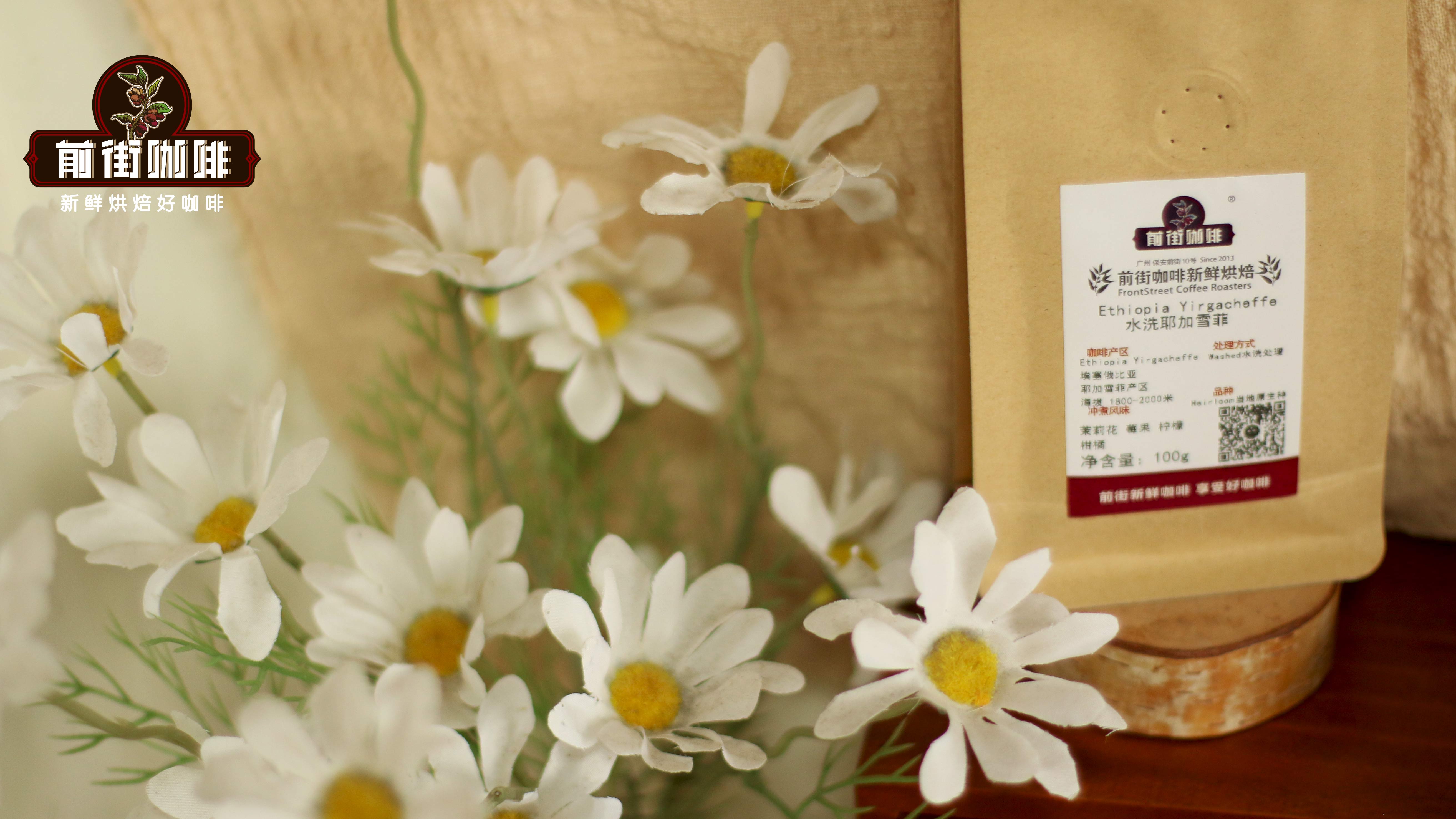
A Complete Analysis of the Regional Characteristics and Pour-Over Parameters of Ethiopian Natural Yirgacheffe Coffee Beans
Yirgacheffe is the guide that leads many coffee lovers into the world of specialty coffee; that cup with jasmine fragrance and lemon-citrus acidity often becomes the starting point of taste enlightenment. This article begins with the region's history, the smallholder cooperative model, and the differences between natural and washed processing, then focuses on the origin information and flavor performance of Front Street Coffee Yirgacheffe Red Cherry natural beans, and provides complete parameters and step-by-step instructions for a three-pour V60 hand brew, helping you brew a cup of Yirgacheffe with both floral aroma and juicy fruitiness. [more…]

Why Does Panama Geisha Stand Out in Flavor? An Analysis of the Unique Charm of Washed Boquete Geisha
In 2004, Hacienda La Esmeralda won the Best of Panama competition with the Geisha variety, and this variety has been famous ever since. Geisha is extremely demanding when it comes to its growing environment, requiring shade, high altitude, and fertile soil to express its delicate floral aromas and fruity notes. Thanks to its unique terrain, climate, and volcanic soil, Panama became the place where Geisha rose to fame. This article will sort through the origins of Geisha, Panama's terroir advantages, and the characteristics of the washed process, and, combined with Front Street Coffee's cupping and roasting experience, help you understand why Panama Boquete Geisha can present white florals, citrus lemon, and honey sweetness. [more…]
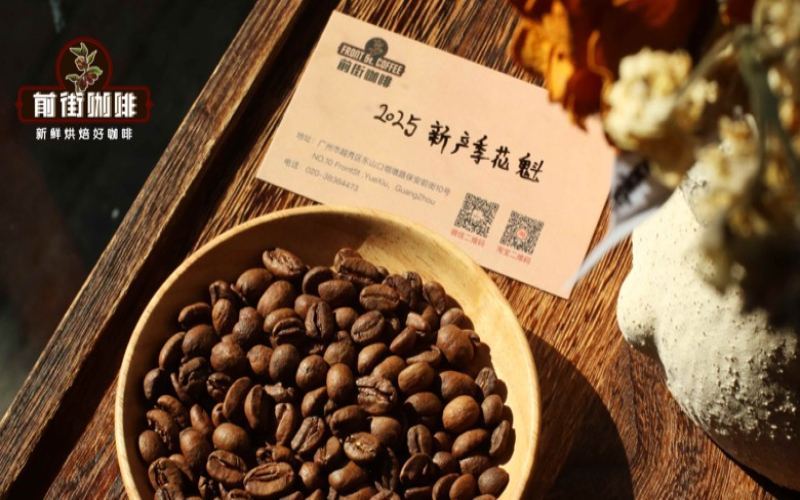
Variety and Floral-Fruity Aromas: The Aromatic Genes of Geisha, SL Lines, and Heirloom Varieties
Same estate, same processing method—so why do some varieties fill the cup with floral aromatics while others taste utterly ordinary? Half of the underlying code for floral and fruity aromas is written into the coffee variety's genes. This article sorts through several star variety families to see how genes determine the aromatic destiny in the cup. Geisha: the pinnacle example of floral aroma. This one, from Eth... [more…]
Yirgacheffe Kochere G2: A Complete Guide to Flavor Profile, Processing Method, and Grind Settings
Yirgacheffe Kochere G2 is a classic among Ethiopian specialty coffees, renowned for its vivid floral aromas and fruity acidity. This article focuses on Front Street Yirgacheffe Kochere G2, outlining its cup profile and flavor performance, its growing region background, and its processing method, while also providing a grinding setting reference. Kochere is located about 25 miles southwest of Yirgacheffe town, where local smallholders deliver their coffee lots to a cooperative for centralized processing. The so-called "Yirgacheffe flavor" is often described as jasmine florals, lemon or lime-like acidity, and peach, almond sweetness, or tea-like notes. This season, Front Street's lot stands out with a particularly pronounced blueberry note in the dry aroma, and after grinding, the whole room fills with blueberry fragrance. The article also introduces Ethiopia's coffee industry and growing elevations to help readers fully understand the source of this bean's flavors and approaches to brewing it. [more…]
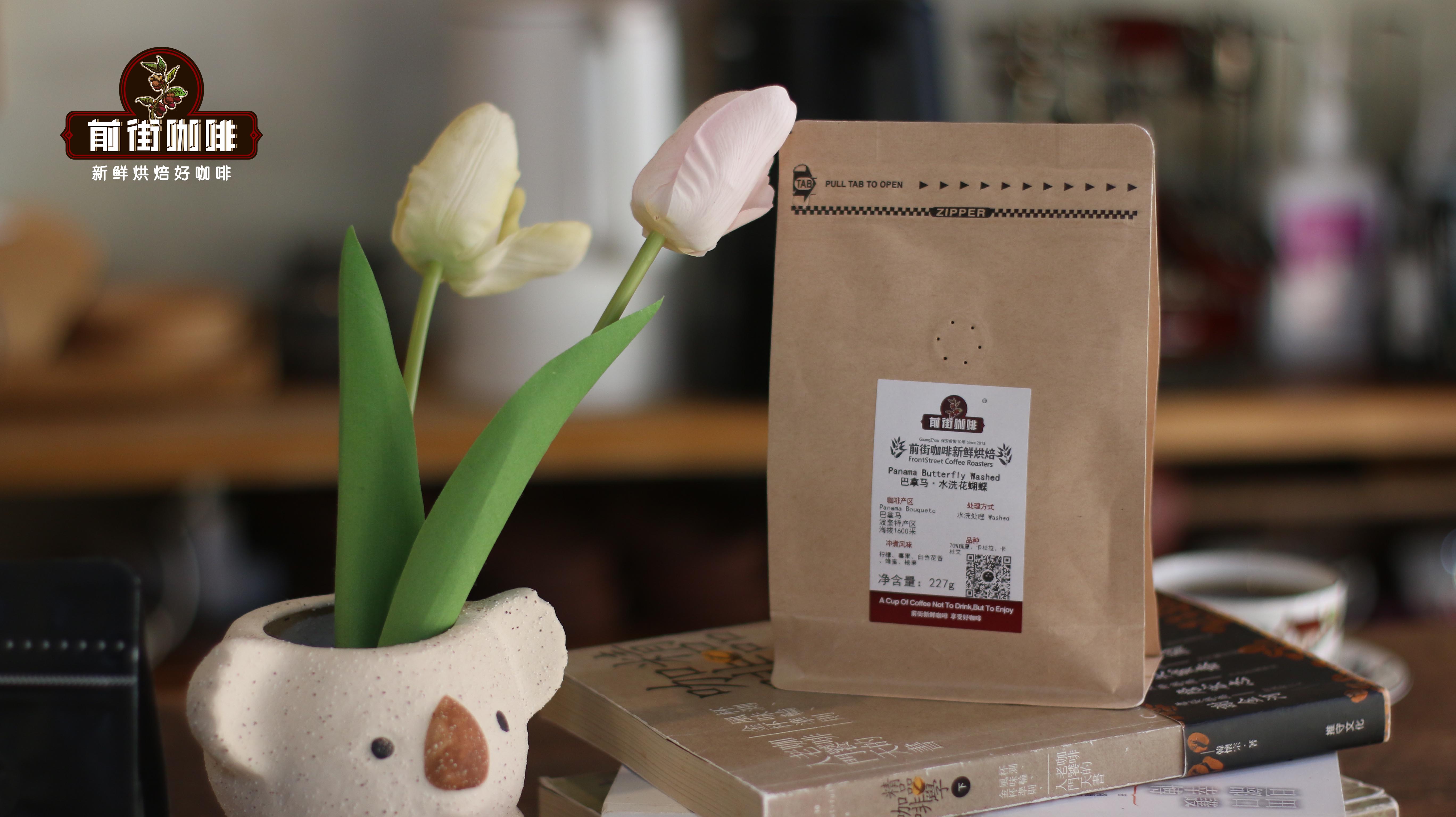
Panama Baru Volcano Region Butterfly Coffee Beans: Flavor and Pour-Over Analysis with Geisha Heritage
The Boquete region of Panama is renowned for the Geisha of Hacienda La Esmeralda, but on this fertile volcanic land there is another bean with outstanding value for money—Butterfly. It blends three varieties—Geisha, Caturra, and Catuai—with Geisha accounting for forty percent of its lineage, and after meticulous washed processing it presents a complex profile of jasmine florals, citrus, and honey. Front Street Coffee uses a medium-light roast to preserve its bright acidity and adopts a three-stage V60 pour-over extraction, allowing the layers of floral and fruity notes to be fully released. This article will guide you through Butterfly's terroir, variety composition, processing method, and brewing essentials, so you can experience the unique charm of this approachable Geisha. [more…]
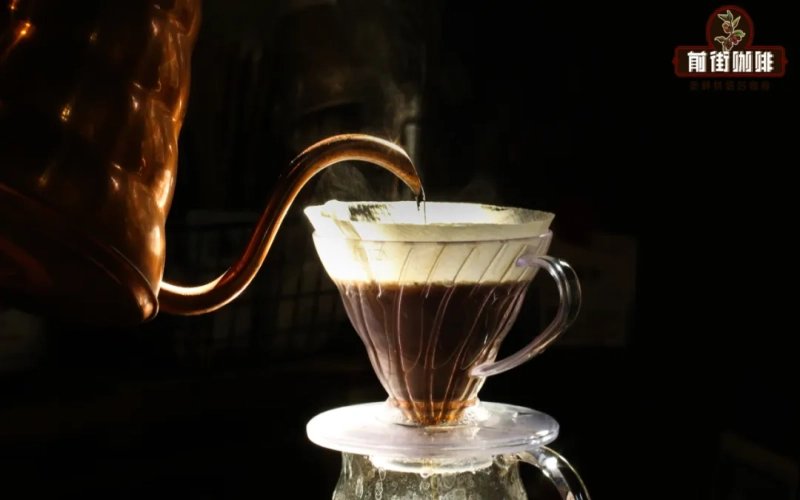
Yirgacheffe Brewing Guide: Flavor Profile, Causes of Light Roast Clogging, and a Four-Pour Practical Method
Yirgacheffe is one of Ethiopia's most recognizable regions, where high altitude and the washed process together shape its classic flavor profile centered on citric acidity, white florals, and a green tea finish. Yet many coffee enthusiasts always run into two problems when brewing: first, the filter paper clogs easily, and second, it is hard to brew that clear, clean "Yirgacheffe taste" they remember. From Front Street's perspective, this article first clarifies the origins of Yirgacheffe's flavor and its regional background, then analyzes the root causes of why light-roasted, high-density beans clog the filter paper and extract unevenly during brewing, and finally uses washed Gudingding as an example to fully demonstrate a practical approach with high water temperature, fine grind, and four small pours, helping you consistently recreate a bright, refreshing cup of Yirgacheffe. [more…]
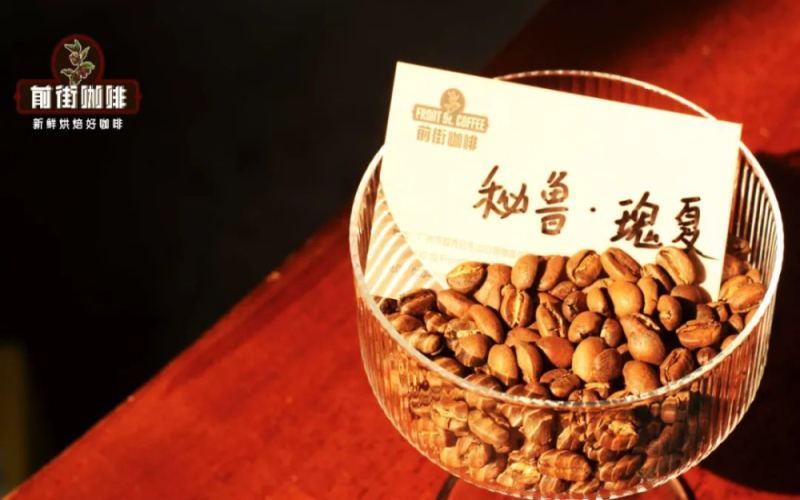
Peruvian Specialty Coffee Pour-Over Flavor Analysis: From Origin Characteristics to Front Street Coffee Geisha Cupping and Brewing Practice
Peruvian coffee has always kept a low profile in the international specialty scene, but that doesn't mean its quality is mediocre. This article will walk you through the background of Peru's coffee-growing regions, with a focus on why smallholder coffee from the Cajamarca region has become the "rising star" of specialty coffee. At the same time, Front Street Coffee will share the cupping notes of a Peruvian Geisha — white florals, prune, citrus, a juicy mouthfeel, and a black tea finish — along with V60 pour-over parameters and a three-pour water schedule. If you're curious whether Peruvian pour-over coffee is actually any good and what makes its flavor unique, this article has the complete answer. [more…]
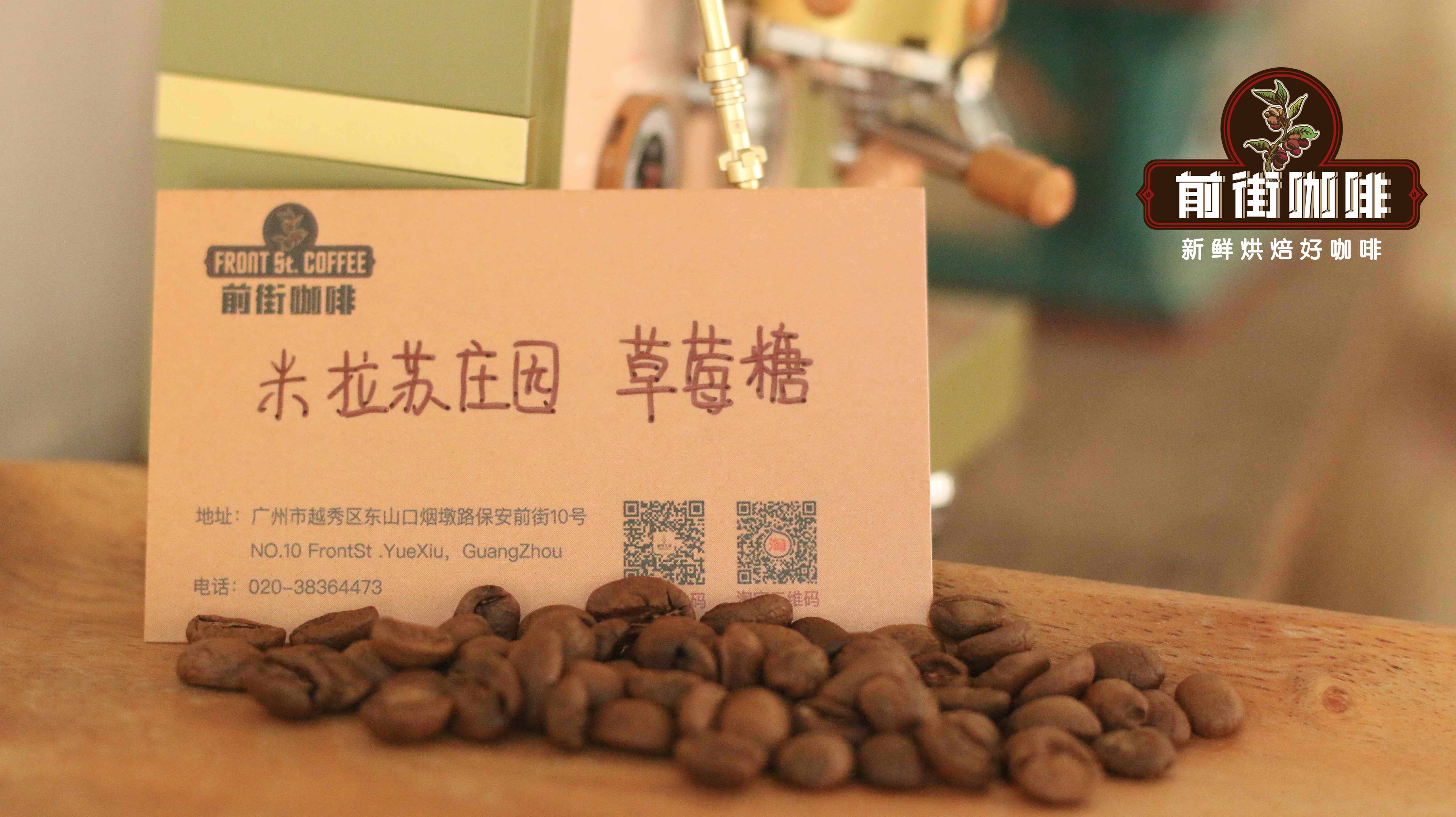
Where Does Coffee Flavor Come From? A Comparative Analysis of Colombian Strawberry-Note Beans: Sakura vs. Hanakatsuyo
Why can you taste strawberry in coffee? Starting from the growth logic of the coffee plant, this article sorts out the influence of six major factors—soil, climate, altitude, harvesting, processing, and roasting—on flavor, and focuses on comparing two strawberry-toned coffee beans from Colombia: Front Street Huayueye and Front Street Sakura. The two each have their own characteristics in terms of producing region, bean variety, processing method, and cupping performance. At the same time, Front Street Strawberry Candy coffee beans are also recommended as another option for getting started with strawberry flavors. [more…]